How Role Play Sparked Active Learning
eVidyaloka|July 2026
eVidyaloka|July 2026
Learning becomes far more meaningful when children experience concepts instead of simply reading about them. Role play is one of the most effective ways to make classroom learning engaging, interactive, and memorable. By encouraging students to imagine, collaborate, and communicate, role-play activities help build not only subject knowledge but also confidence, creativity, and essential life skills.
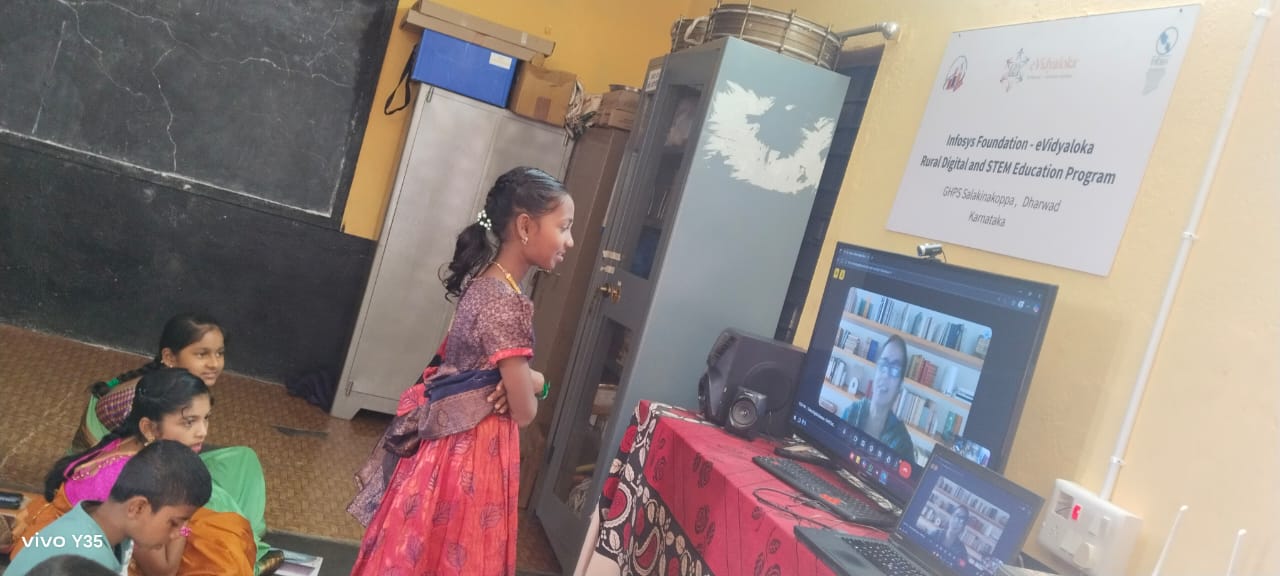
At eVidyaloka, volunteer teachers regularly use innovative teaching methods to make learning enjoyable for children in rural government schools. Through volunteer teaching conducted on a digital classroom model, lessons are designed to encourage active participation rather than passive learning.
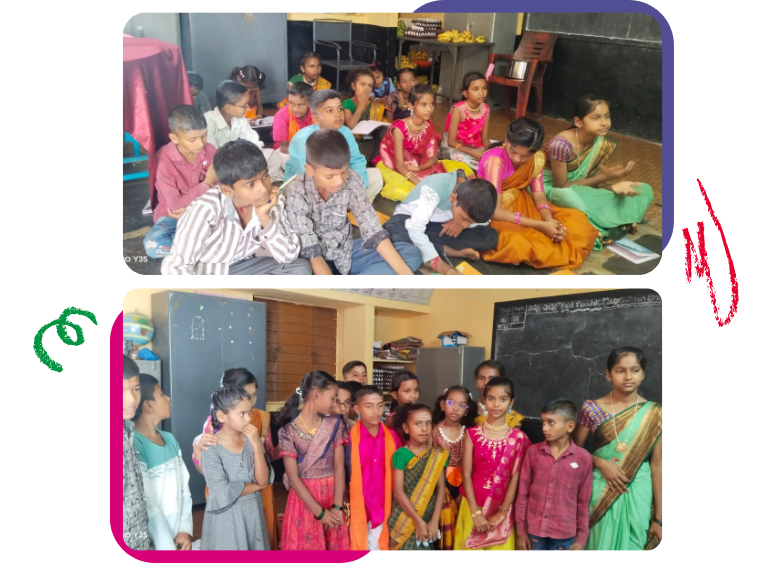
At GHPS Salakinakoppa, volunteer teacher Mamatha brought the science lesson on "Family" to life through a simple yet impactful role-play activity. Instead of limiting the lesson to textbook explanations, students dressed up as different family members and enacted their roles in the classroom. The activity transformed the classroom into a lively learning space where children could relate the lesson to their own everyday experiences.
The response from the students was overwhelmingly positive. They participated with great enthusiasm, eagerly taking on different roles and interacting with one another. Even children who were usually hesitant to speak in class found the confidence to participate. As they acted out different family roles, students strengthened their communication skills, learned to work together, and developed a deeper understanding of the topic through experience.
Beyond helping students grasp the science concept more effectively, the activity encouraged teamwork, creativity, and self-expression—skills that are just as important as academic learning. Experiential teaching methods like role play demonstrate how engaging classroom practices can make lessons more accessible and enjoyable for every child.
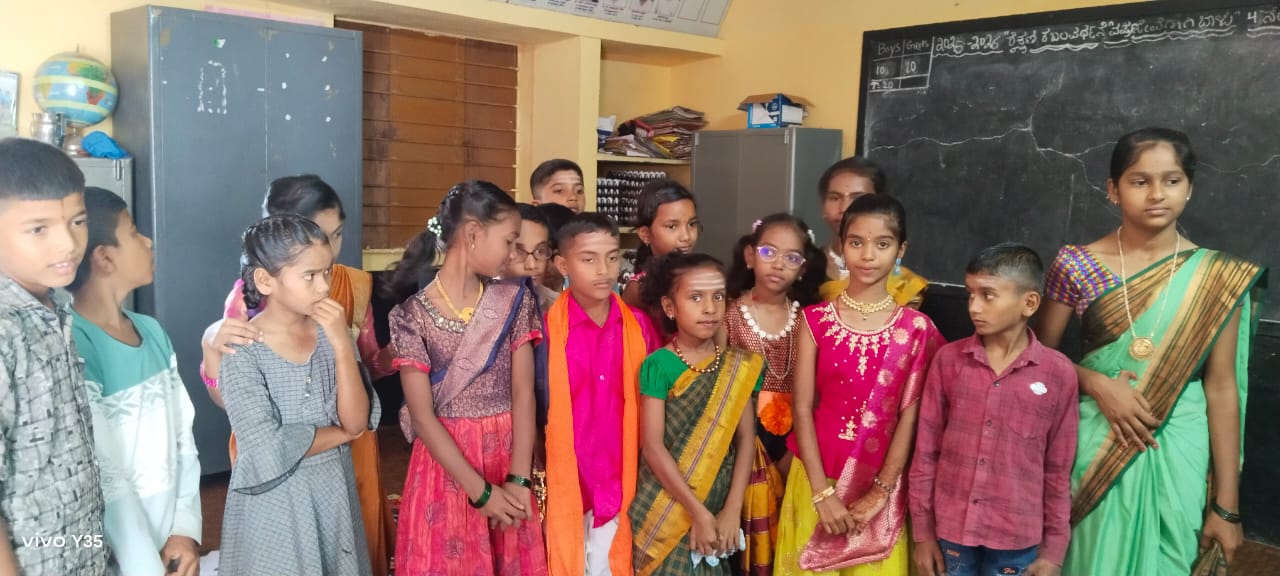
The school teachers and the Headmaster appreciated Mamatha's initiative, observing that the activity significantly increased students' interest and participation in the classroom. Their positive feedback reinforced the value of interactive teaching methods in creating an inclusive and engaging learning environment.
This simple classroom activity demonstrated how role play can transform a lesson into a meaningful learning experience. By encouraging children to participate, collaborate, and express themselves, it helped make learning more enjoyable while building confidence and communication skills that extend well beyond the classroom.

Explore how quality education empowers children to break barriers and reach their full potential.
Discuss innovative teaching methods and approaches used by education NGOs to foster a love for learning.
Shed light on the dedicated educators, staff, and volunteers who drive the NGO's educational initiatives.
